More Than THC: How the Full Spectrum of Cannabinoids Creates a Richer, Smarter High
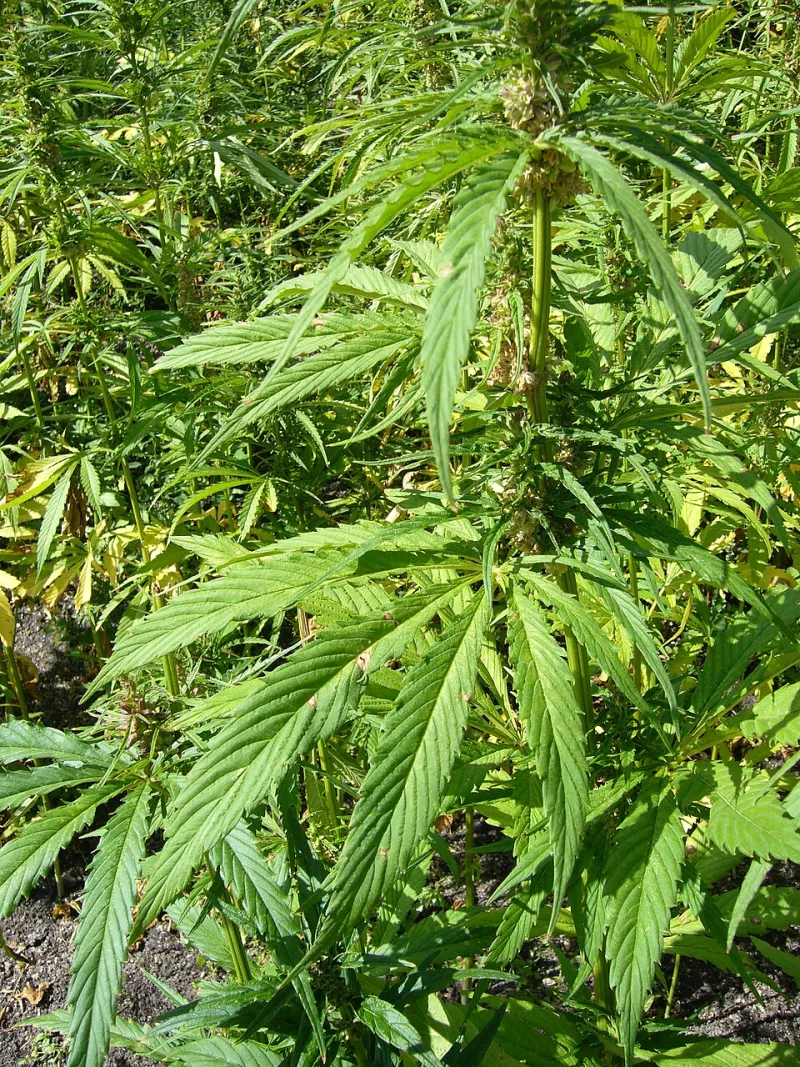
Photo: Nabokov, Public domain, via Wikimedia Commons
Walk into Lawndale Dispensary and you'll notice something pretty quickly: not every product is just about THC percentage. Sure, that number gets a lot of attention — it's basically the cannabis equivalent of checking horsepower before buying a car. But experienced consumers know that chasing the highest THC count is a bit like judging a restaurant solely by how loud the kitchen is. What actually matters is what's happening all together, in concert.
That's where the entourage effect comes in. And while terpenes play a huge role in the overall experience (we've talked about those before), today we're going deeper — into the world of minor cannabinoids and the surprisingly complex chemistry that makes a full-spectrum product feel so different from a pure isolate.
What Actually Is the Entourage Effect?
The term was popularized by Israeli researcher Dr. Raphael Mechoulam and his colleagues back in the late 1990s. The core idea: cannabis compounds don't just work independently. They interact with each other — and with your body's endocannabinoid system — in ways that amplify, modify, or sometimes soften the effects of any single compound.
Think of it like a band versus a solo artist. A guitarist shredding alone sounds one way. Add a bassist, drummer, and keys player, and suddenly you've got a completely different sonic experience — even if the guitarist is playing the exact same notes.
THC is the guitarist. The rest of the cannabinoids are the band.
The Supporting Cast: Minor Cannabinoids Doing Major Work
Here's a quick breakdown of the players you'll see listed on product labels at our shop and why they actually matter:
CBD (Cannabidiol)
Most people have heard of CBD by now, but its relationship with THC is more nuanced than "one gets you high, one doesn't." Research suggests CBD can actually modulate THC's psychoactive effects — taking the edge off anxiety or paranoia without necessarily blunting the euphoria. This is why a strain like ACDC, which runs high in CBD relative to THC, tends to feel smooth and functional rather than overwhelming. For Lawndale customers who want to stay social and clear-headed, a balanced CBD-to-THC ratio is often the sweet spot.
CBN (Cannabinol)
CBN is what happens when THC ages and oxidizes — it's essentially older THC that's transformed. It's mildly psychoactive on its own, but its real claim to fame is its reportedly sedative quality, especially in combination with THC. Products marketed for sleep often lean on CBN for exactly this reason. If you've ever tried two different indicas and found one knocked you out while the other just made you relaxed and chatty, CBN content differences are likely a big reason why.
CBG (Cannabigerol)
Sometimes called the "mother of all cannabinoids" because it's a chemical precursor to THC, CBD, and others, CBG is increasingly showing up in products aimed at focus and mood elevation. Early research points to potential anti-inflammatory and neuroprotective properties. Strains like White CBG and Lemon Diesel tend to carry higher CBG content, and consumers often describe the experience as uplifting without the ceiling-spinning intensity that high-THC isolates can bring.
CBC (Cannabichromene)
This one flies under the radar, but CBC appears to interact with receptors in the body linked to pain perception and mood. It doesn't bind strongly to the same receptors as THC, which means it's non-intoxicating on its own — but paired with THC and CBD, it may contribute to what many consumers describe as a more "whole body" experience rather than a purely head-centered one.
THCV (Tetrahydrocannabivarin)
Here's an interesting one: THCV can actually act as a partial antagonist to THC at lower doses, meaning it may suppress some of THC's effects. At higher doses it flips and becomes more THC-like. Strains naturally higher in THCV — often African sativas like Durban Poison — tend to produce a sharp, clear-headed buzz that some people describe as almost caffeinated. It's a totally different vibe than a high-THC, low-everything-else cultivar.
Isolate vs. Full Spectrum: What the Difference Feels Like in Practice
Pure THC isolate — or any single-cannabinoid isolate, for that matter — is essentially the cannabis equivalent of a vitamin supplement. You're getting one thing in high concentration, with none of the supporting players. Some people prefer this for consistency and dosing control, which is completely valid.
But a broad-spectrum or full-spectrum product preserves the natural range of cannabinoids (and terpenes) found in the plant. The result tends to be more layered, more nuanced, and — for many consumers — more satisfying at lower overall doses. This last point is actually significant: the entourage effect may allow you to achieve your desired outcome with less product, which is easier on both your tolerance and your wallet.
At Lawndale Dispensary, our staff can point you toward lab-tested products that list cannabinoid breakdowns beyond just THC. Those detailed panels are your roadmap.
How to Shop for Your Desired Entourage Outcome
Not sure where to start? Here are a few real-world use cases to guide your next visit:
For anxiety relief without couch-lock: Look for products with a meaningful CBD presence alongside THC — something in the 1:1 to 2:1 CBD:THC range. Avoid high-THC isolates, which are more likely to amplify anxiety in sensitive consumers.
For deep sleep: Ask about products with detectable CBN levels, ideally combined with a moderate THC content and calming terpenes like myrcene or linalool. CBN-infused edibles and tinctures are increasingly popular for this exact purpose.
For daytime focus or creativity: Seek out cultivars with higher CBG or THCV content — often sativa-leaning strains with African or East African genetics in their lineage. These tend to produce alert, energized effects rather than sedation.
For general pain and mood support: A full-spectrum product with a broad cannabinoid profile — including CBC — may offer more comprehensive relief than a high-THC isolate alone.
The Bottom Line
Cannabis is not a one-molecule story. The more you understand about how CBD, CBN, CBG, CBC, THCV, and the rest of the supporting cast interact with THC, the better equipped you'll be to find products that actually match what you're looking for — not just what sounds strongest on paper.
Next time you're in the shop, don't just glance at the THC number and call it a day. Flip the package over. Ask your budtender about the full cannabinoid panel. The most interesting part of the story is usually right there in the fine print.
We're here to help you read it.